Too cold to stink! 🥶 Sales are suspended until spring. Pray to the Spring Goddess for an early arrival!
Too cold to stink! 🥶 Sales are suspended until spring. Pray to the Spring Goddess for an early arrival!
Too cold to stink! 🥶 Sales are suspended until spring. Pray to the Spring Goddess for an early arrival!
★
Too cold to stink! 🥶 Sales are suspended until spring. Pray to the Spring Goddess for an early arrival!
★
Too cold to stink! 🥶 Sales are suspended until spring. Pray to the Spring Goddess for an early arrival!
★
Too cold to stink! 🥶 Sales are suspended until spring. Pray to the Spring Goddess for an early arrival!
★
Too cold to stink! 🥶 Sales are suspended until spring. Pray to the Spring Goddess for an early arrival!
★
Too cold to stink! 🥶 Sales are suspended until spring. Pray to the Spring Goddess for an early arrival!
★
Too cold to stink! 🥶 Sales are suspended until spring. Pray to the Spring Goddess for an early arrival!
★
Too cold to stink! 🥶 Sales are suspended until spring. Pray to the Spring Goddess for an early arrival!
★
How to Grow Pseudolithos (and other Stapeliads) from Seed I Notes from a Boston Grower
By @globular_kev
14 August, 2026
Introduction
Pseudolithos are easily one of my favorite gen uses of plants. Since I began my plant journey 3 years ago, I have become deeply obsessed with these succulent plants with lizard-like skin and stunning fleshy flowers that smell like rotten meat.
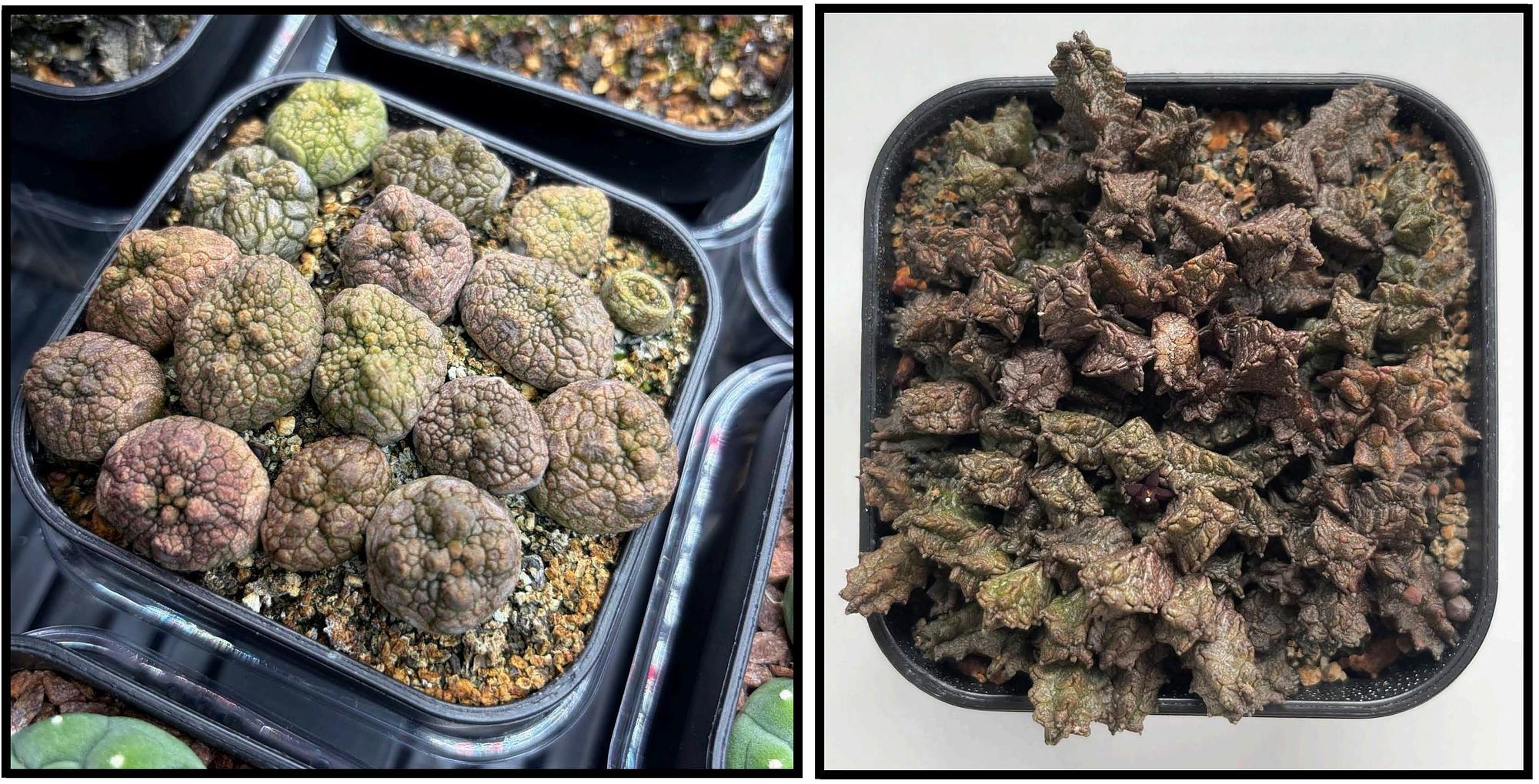
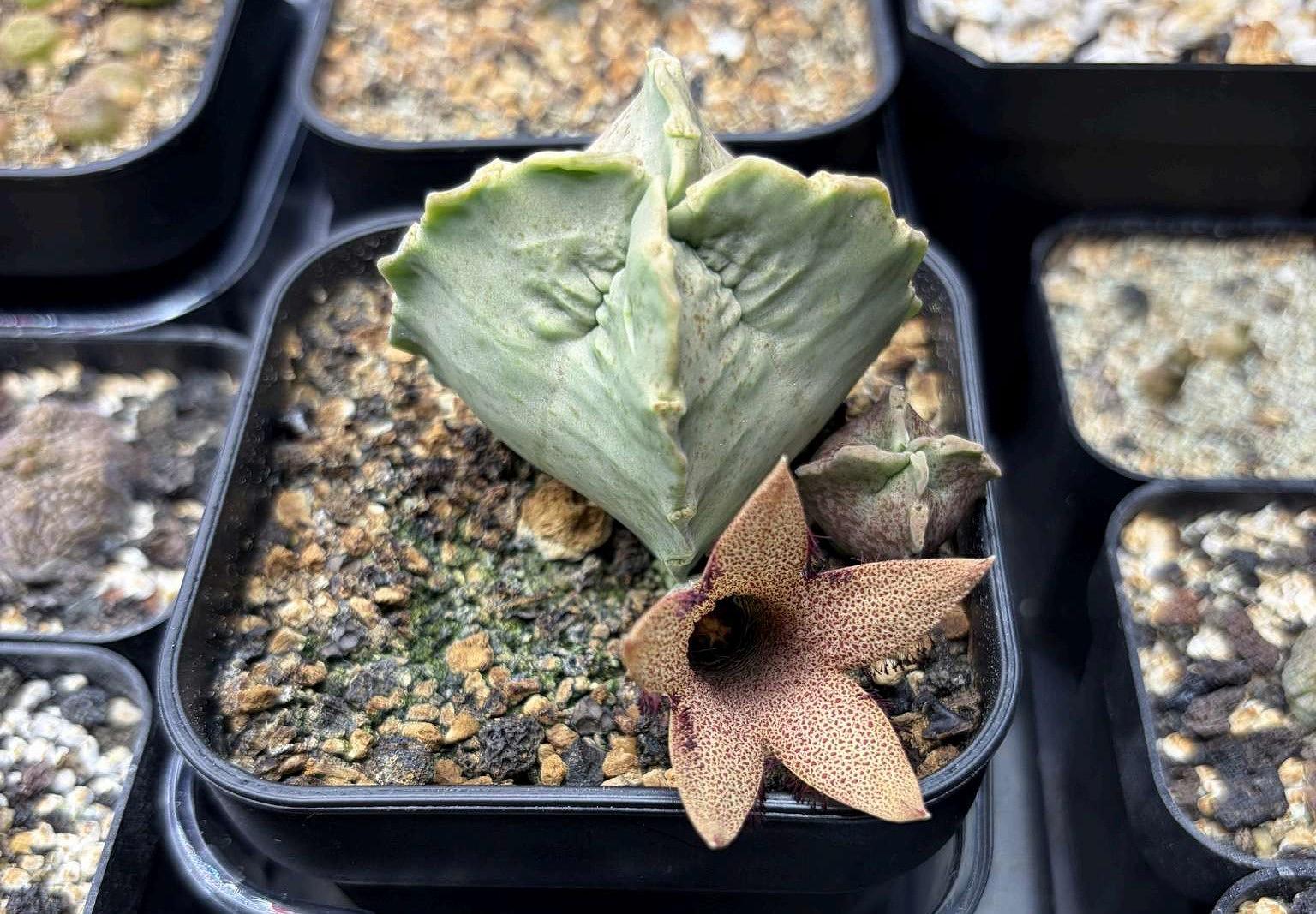
7 month old Pseudolithos Cubiformis (Left) and 7 month old Pseudolithos Mccoyi Flowering (Right)
Pseudolithos have a reputation of being difficult plants to keep alive - a common sentiment is that they can "turn into an expensive pile of mush overnight". Contrary to this, I have found that both adults and seedlings are quite easy to care for, and respond very well to a stable environment and consistent care schedule. In this article, I will detail my personal method that I have used to successfully grow Pseudolithos, Whitesloanea, Echidnopsis, and Hoodia from seed.
Seed Preparation
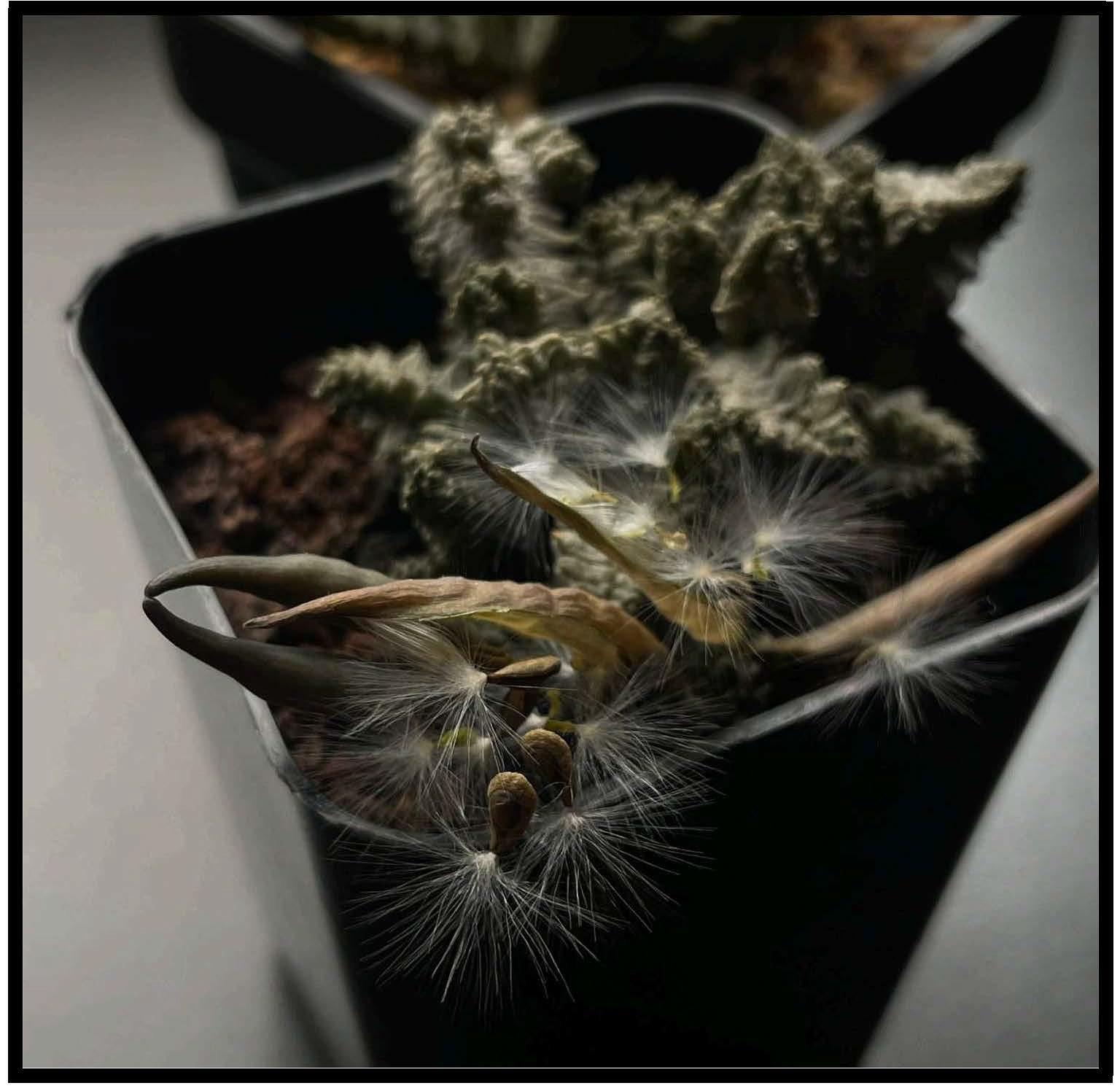
I have found that Pseudolithos seeds do not require any sort of special treatment - there is no need for seed soaking, scarification, cold stratification, etc. Unlike plants that rely on edible fruit to aid in seed dispersion, Pseudolithos seeds explode out of a pod and have fluff (similar to a Dandelion's pappus) that carry them in the wind. Pseudolithos Mccoyi with an exploded seed pod
Subsrate
The soil composition is probably one of the most important aspects to growing Pseudolithos from seed. They prefer a gritty, fine grain mineral substrate for germination and seedling stages. My soil recipe is included below. Zeolite makes an excellent top dressing as its color changes depending on wetness, which provides a great visual indicator on when the soil has begun to dry out.
For beneficial microbes, I use Great White Mycorrhizae. I just add a dash of the powder and mix it into the soil. I don't usually measure a specific amount.
This soil mix is approximately 80-90% inorganic to organic, since the cactus and succulent soil I use is roughly 40-50% inorganic by volume. Note that if you are growing Echidnopsis or Ceropegia from seed, I target closer to a so/so ratio of cactus and succulent soil to inorganics.
Soil Composition
Description
Quantity
Photo
Cactus and Succulent Soil (sifted and sterilized)
1/4 Part
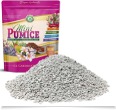
Pumice (1/32" - 1/8")
1/4 Part
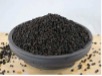
Lava Rock (1/16" to 3/16")
1/4 Part
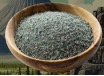
Granular Zeolite (1.4 mm)
1/8 Part
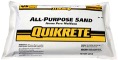
Course Sand (sifted)
1/8 Part
Other Soil Amendments
Amendment
Product
Photo
Top Dressing
Granular Zeolite
Microbes
Great White Myco
Sowing the Seeds
Mix your sowing substrate and fill your pot.
Saturate your soil by soaking the pot in distilled water.
(Optional) Spray the top of the substrate with a sterilizing solution such as 3°/o Hydrogen Peroxide.Place the seeds on top of your layer of top dressing {if you are using top dressing). Do not bury the seed, but press it gently into the soil so it is secure.
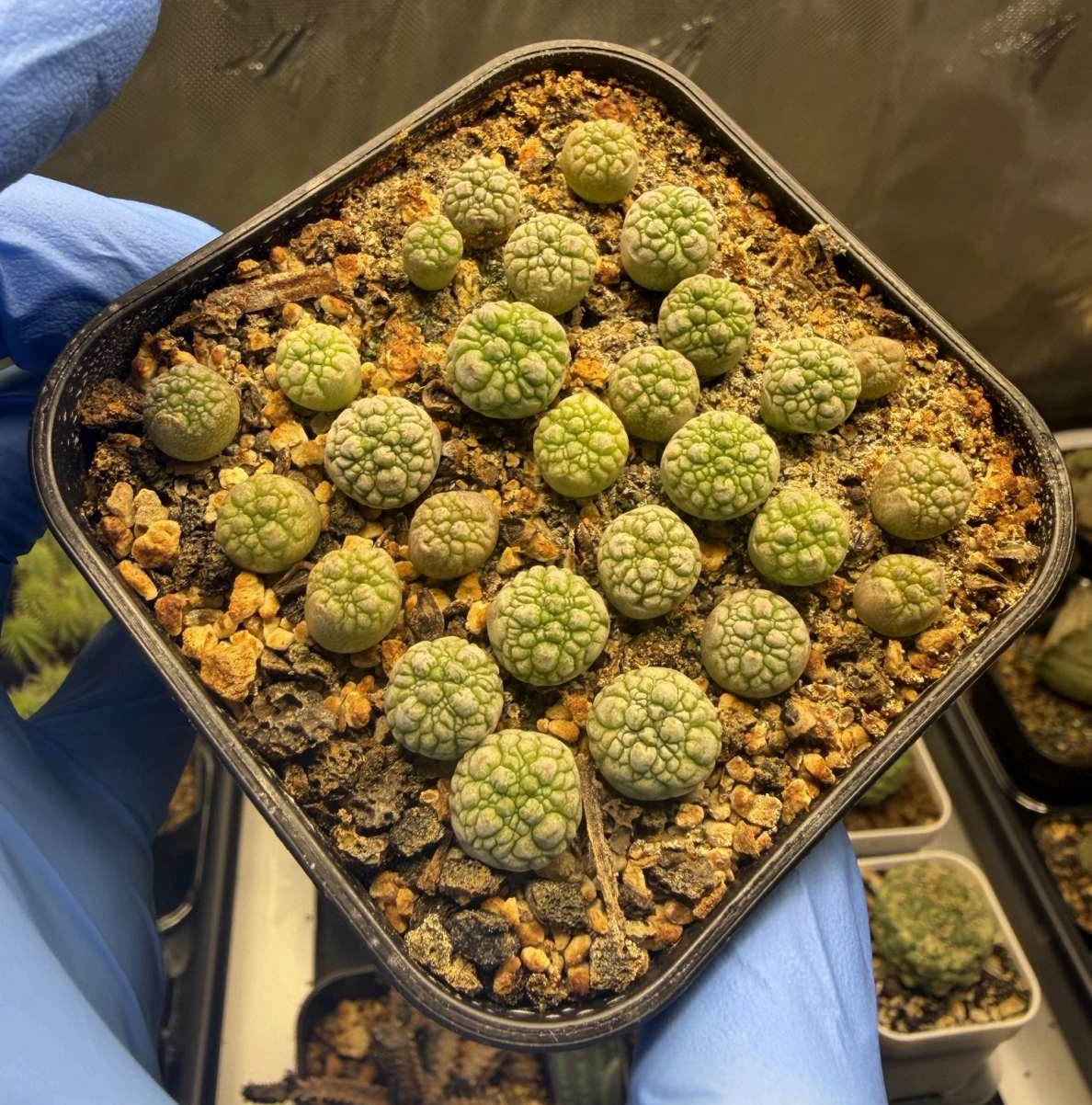
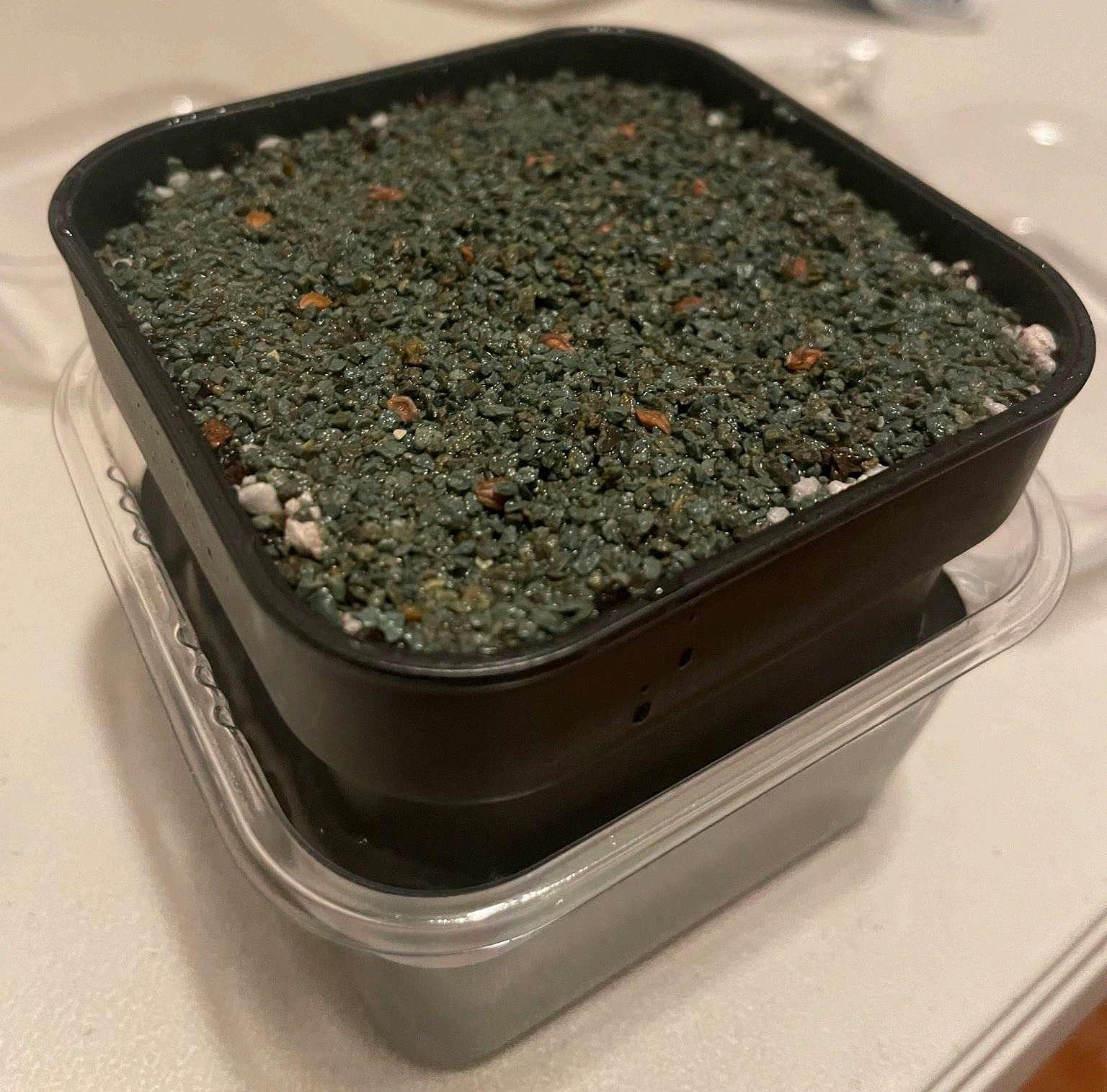
For sowing, I like to pack the seeds pretty densely into a container. In a 3 inch pot, I will generally fit 20-25 seeds. Pseudolithos in general appreciate being slightly underpotted - this also helps prevent overwatering.
(Optional) Spray the top of the seeds with a sterilizing solution such as 3% Hydrogen Peroxide.
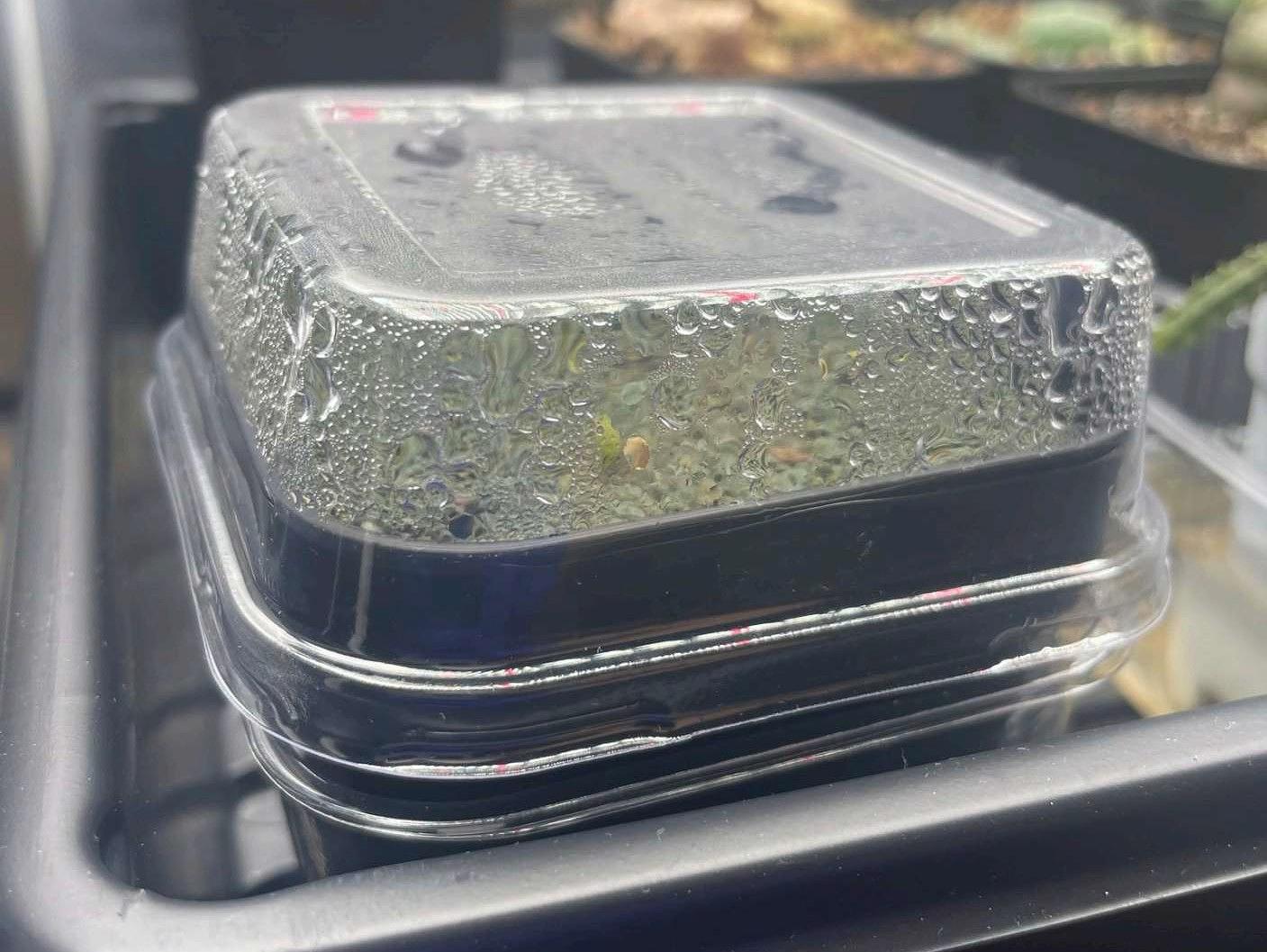
Cover the seeds with a dome or baggie to keep the humidity high.
Move your seedlings to your germination environment.
Environment
For germination and the first few months, I try to maintain the following conditions:
Light Levels
12000 - 14000 [lux] using grow lights
Photoperiod
12-13 hours
Temperature
68-80°F temperature range using heat mat
Airflow
Light airflow from a grow-room fan
Germination and Post-Germination
Hardening Off
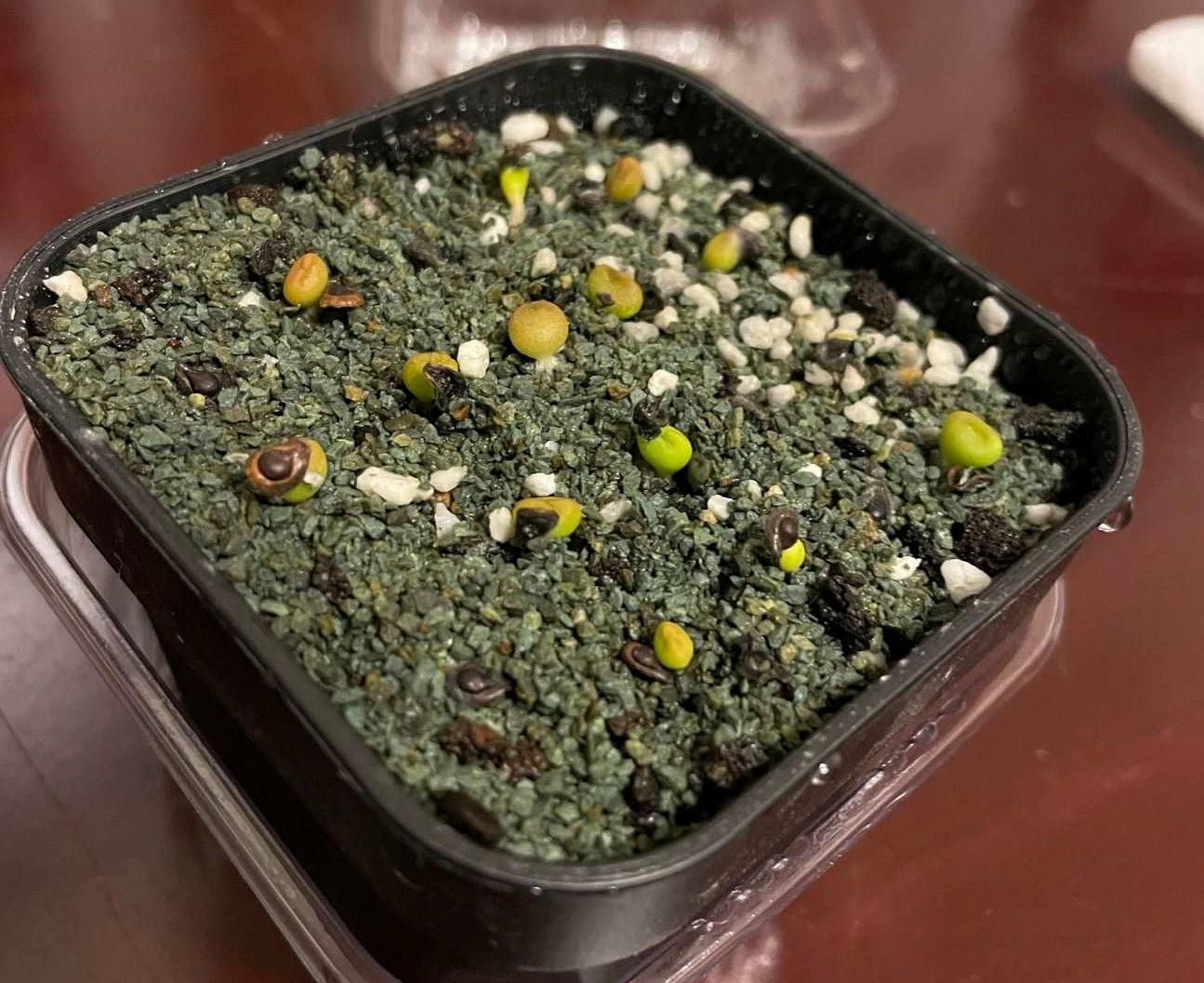
Pseudolithos seeds will generally germinate pretty quickly, between 7-14 days. Do not begin to consider hardening off the seedlings until you are happy with the germination rate. But do not wait too long either (e.g. over a month}.
Once enough of the seedlings have germinated, you can begin to harden them off. Pseudolithos and other stapeliads do not need to be kept in humidity for an extended period, as it invites mold and potentially rot. Seedlings can be hardened off rather rapidly (e.g. within the span of 1-2 weeks}, and do not appear to be affected by the shock of humidity change. In general, Pseudolithos should be completely hardened off by 2-4 weeks from germination.
Watering and Fertilizing
Earlier on, Pseudolithos seedlings appreciate a bit more water to give them some growing momentum. For their very first two waterings post-germination, water when you notice that the top layer of soil has dried off. Personally, I know this is when the zeolite top dressing turns light in color. I provide a generous top-watering for these first two waterings.
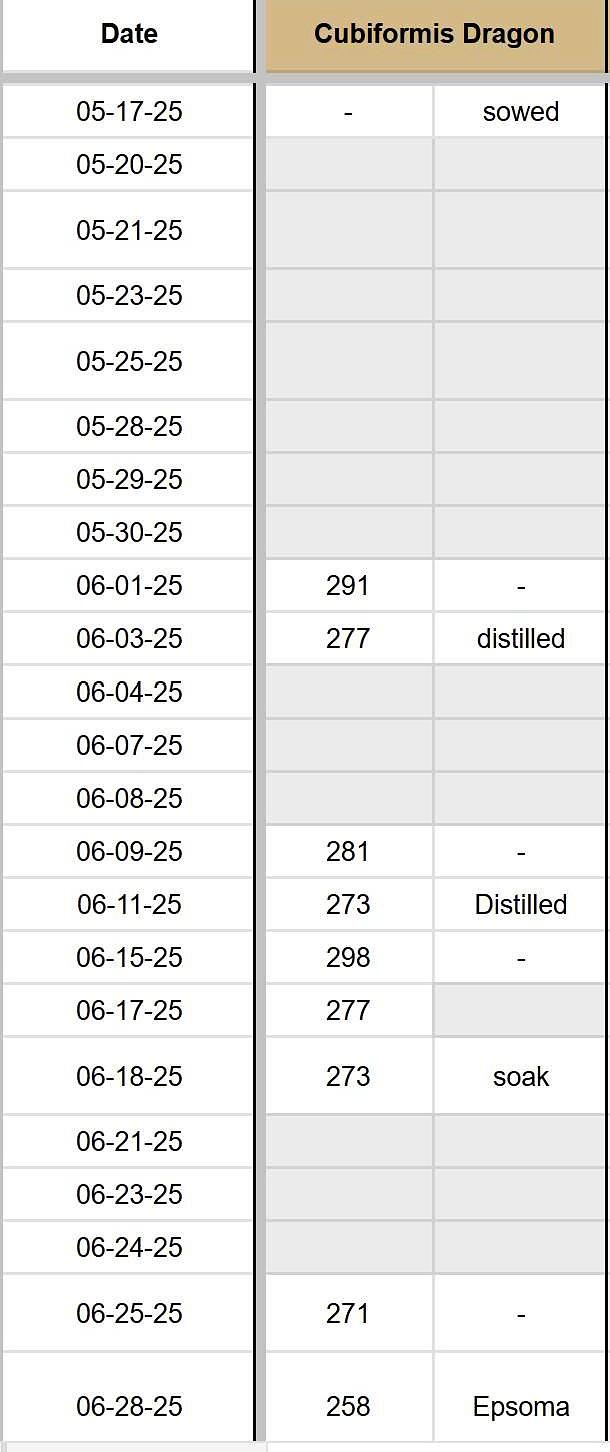
From this point on, I water once the soil has mostly or completely dried, which I know based on the weight of the pot. I bottom-water until the soil is fully saturated. With my specific controlled growing environment, I water per this criterion every 10-14 days.
Example of my water schedule for the first month and a half
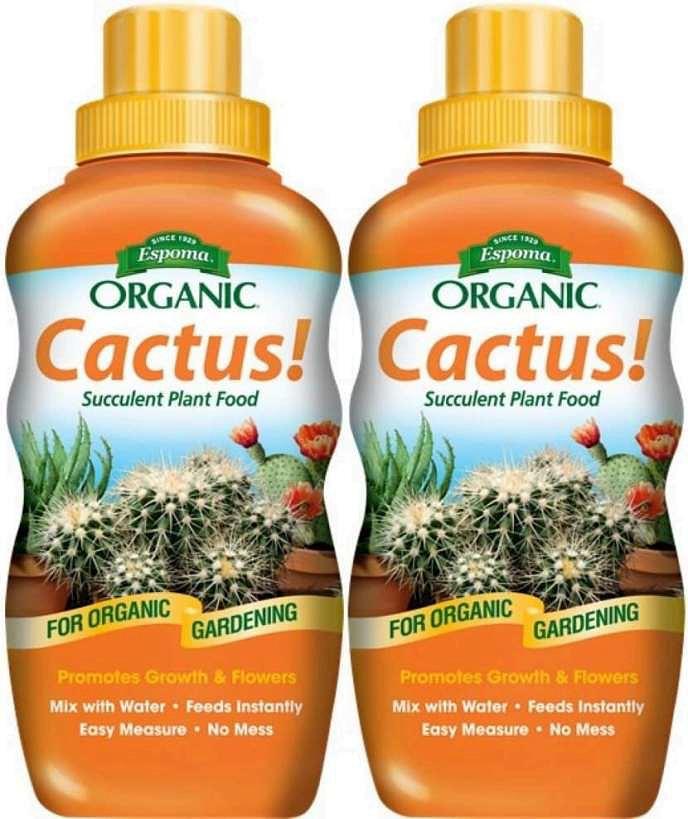
Pseudolithos respond very well to fertilizer. I like to use Espoma Cactus and Succulent fertilizer at the recommended dilution of 2 tsp / quart, every 3-4 waterings.
Other Notes and Aftercare
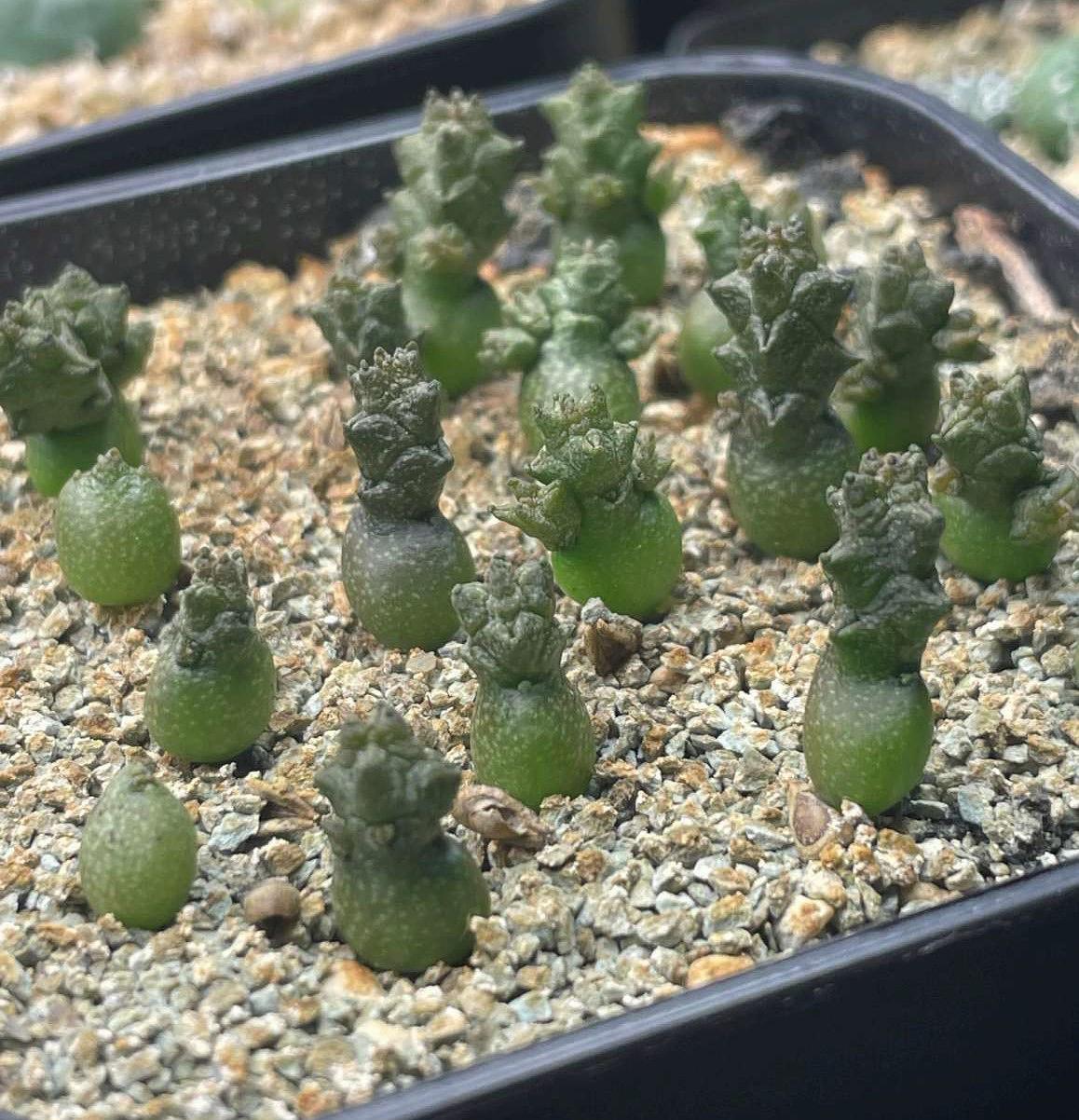
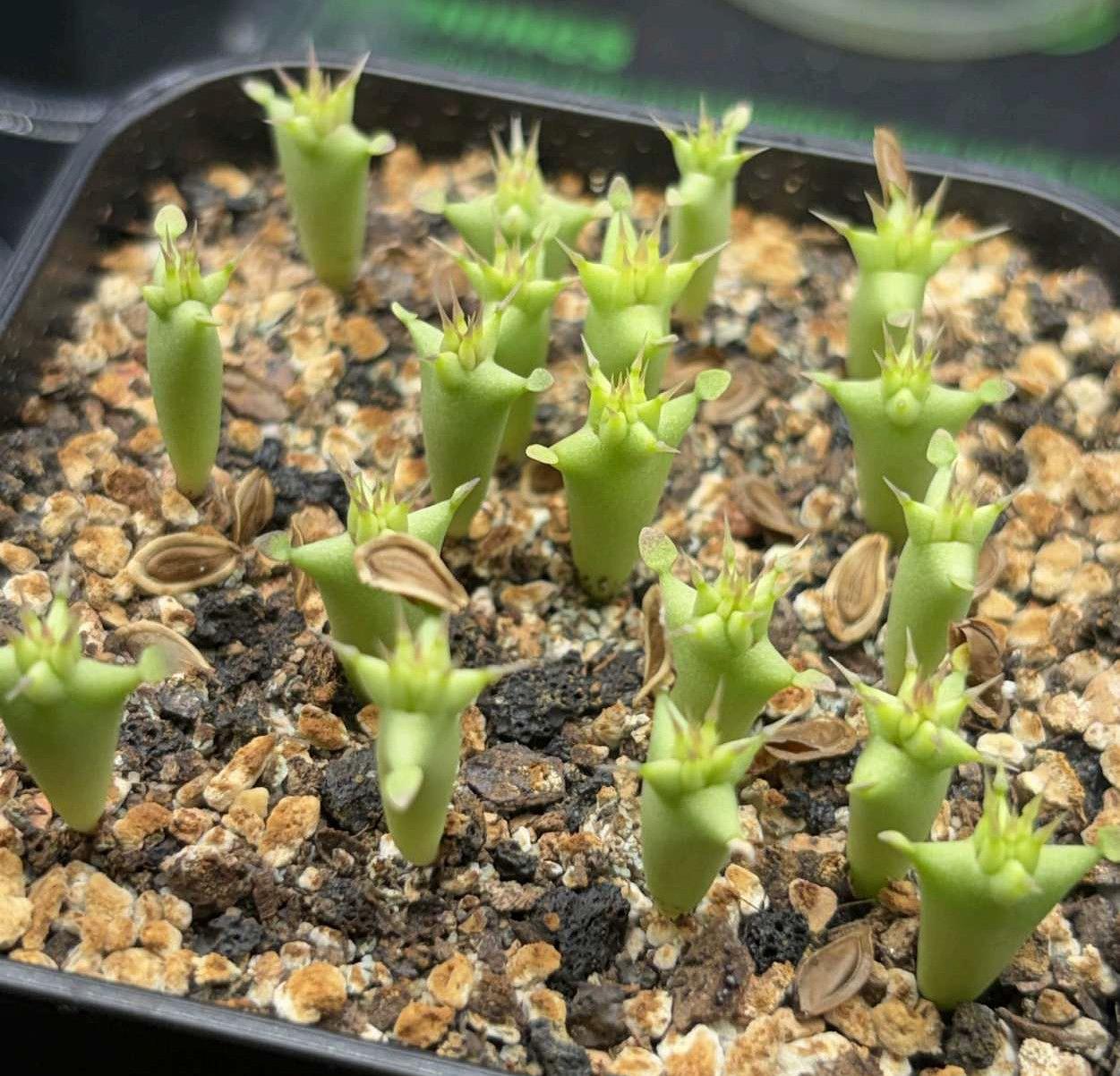
The true 'leaves' of the seedlings will emerge fairly quickly. Sometimes, seedling development will stall, but they will resume growth when it suits them.
Pseudolithos mccoyi
Pseudolithos cubiformis true "leaves" emerging
After an appreciable amount of growth has occurred, the seedlings can be moved to higher light. In general, I move my Pseudolithos seedlings to 16-18000 (lux) after roughly a month from germination. Seedlings will not need to be repotted until the pot begins to look overcrowded.
Afterword
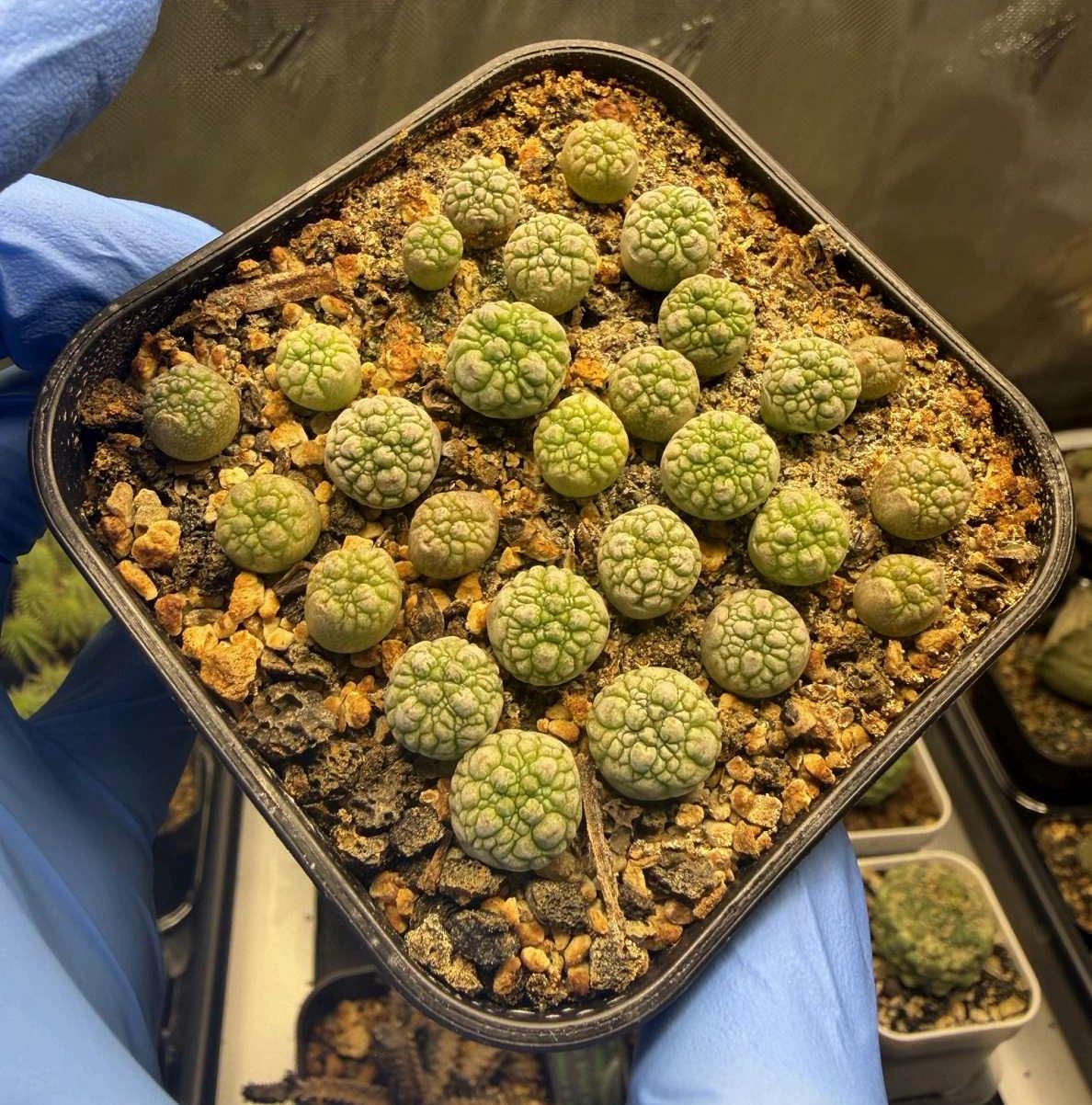
This concludes my guide on growing Pseudolithos from seed - hopefully it makes these lumpy plants feel less intimidating! Below are a selection of photos of some of my seedlings during their growing process.
We only use essential cookies right now — to keep your cart and checkout working. No analytics, no cross-site stalking. If that ever changes, we'll ask again.
Privacy Policy